

curved laminated glass manufacturers
Accurate measurement requires properly calibrated instruments, especially when working with frame levels . Whether you use standard frame spirit level tools or high-end precision frame level equipment, following correct calibration procedures ensures reliable results. This guide details essential calibration techniques for these critical measurement devices. Preparation for Frame Levels Calibration Clean all surfaces of your frame spirit level before beginning calibration • Establish a stable, vibration-free workspace for precision frame level adjustment • Gather necessary calibration tools for frame levels including master levels • Ensure consistent temperature in the calibration area for frame spirit level accuracy • Verify all adjustment screws on your precision frame level move freely Step Instruction Details 1. Preparation Ensure the frame level is clean and free of debris. Check for any visible damage to the vials or frame. 2. Placement Position the level on the surface to be measured, ensuring it is stable and aligned with the direction of the intended measurement. 3. Waiting for Stability Wait until the bubbles in the vials are completely stationary before attempting to take a reading. 4. Reading the Scale Observe the scale indication on the level, which represents the inclination value based on a 1-meter reference. 5. Calculation Formula Use the equation: Actual Tilt Value = Scale Indication × L × Number of Deviation Grids where L is the length of the measured surface in millimeters. 6. Example Calculation - Scale reading: 0.02 mm/L - Length of surface (L): 200 mm - Number of deviation grids: 2 - Calculation: 0.02 × 1000⁻¹ × 200 × 2 = 0.008 mm 7. Interpretation The result (0.008 mm in the example) represents the actual tilt or deviation from level at the measured surface length. Horizontal Calibration of Frame Spirit Level Place the frame levels on a verified horizontal reference surface • Observe bubble position in the frame spirit level vial • Adjust calibration screws on precision frame level until bubble centers • Rotate the frame levels 180° to verify consistent readings • Repeat adjustment process until frame spirit level shows perfect horizontal alignment Vertical Calibration for Precision Frame Level Mount the frame levels against a precision vertical reference • Check frame spirit level bubble position in vertical orientation • Carefully adjust vertical calibration screws on precision frame level • Verify by rotating the frame levels 180° vertically • Confirm consistent readings from all frame spirit level vials Sensitivity Verification of Frame Levels Test precision frame level response using calibrated shims • Verify frame spirit level detects small angular changes • Compare frame levels against master calibration instruments • Check multiple measurement points across precision frame level range • Document sensitivity specifications for each frame spirit level Final Testing Procedures for Frame Spirit Level Perform temperature stability tests on frame levels • Verify precision frame level repeatability across multiple measurements • Check all frame spirit level vials for proper fluid clarity • Test frame levels under actual working conditions • Complete calibration certificate for precision frame level documentation Frame Levels FAQS Q: How does a frame level differ from a frame spirit level in measurement accuracy? A: A frame level typically refers to a rigid L-shaped tool with multiple bubble vials for checking horizontal and vertical alignment, while a frame spirit level emphasizes the use of liquid-filled vials for precision. The latter often has higher-grade vials (like 0.02mm/m sensitivity) and smoother surfaces, making it ideal for tasks requiring sub-millimeter accuracy, whereas basic frame levels suit general construction. Q: What features make a precision frame level suitable for industrial applications? A: A precision frame level incorporates reinforced aluminum or stainless steel frames to resist warping, laser-engraved scales for durability, and shock-absorbing end caps. Unlike standard frame levels, it may include magnetic bases for metal surfaces, dual vials for cross-checking, and certification (like DIN 876) to ensure accuracy within 0.05mm/m—critical for machinery alignment or aerospace setups. Q: Can a frame spirit level be used for both short and long surface measurements? A: Yes, but for long surfaces (over 1m), a frame spirit level with extendable arms or a longer body performs better. Shorter models (e.g., 600mm) work for small tasks, but longer levels reduce the need for overlapping measurements, minimizing error. For extreme lengths, pair a precision frame level with a straightedge to maintain accuracy across the entire surface. Q: How often should I calibrate a precision frame level versus a standard frame level? A: A precision frame level used in manufacturing or metrology needs calibration every 6–12 months (or after impacts), using a master flat or autocollimator. Standard frame levels in DIY settings can be checked annually by reversing them on a known flat surface. Neglecting calibration in precision tools can lead to cumulative errors—for example, a 0.1mm/m drift over 5m causes a 0.5mm deviation. Q: What safety precautions apply when using a frame spirit level at height? A: When using a frame spirit level on ladders or scaffolding, ensure the tool’s non-slip rubber feet grip the surface tightly. For heavy precision frame level s (over 3kg), use a lanyard to prevent drops. Avoid placing the level on uneven edges, as its rigid frame could topple—unlike flexible tools, a frame level’s weight and shape require extra care to prevent both injury and tool damage. Welcome to Storaen Machinery – Where Precision Forges the Future,Nestled in Botou, China’s ancient casting capital, Storaen (Cangzhou) International Trading Co. blends 2,000 years of metallurgical heritage with cutting-edge engineering. We’re not just manufacturers—we’re architects of industrial reliability, crafting cast iron welding platforms, precision measuring tools, and gauges that define accuracy for global industries. Our portfolio is a testament to innovation: from granite inspection blocks with HS70+ hardness to digital micrometer sets that measure down to 1μm. Every product carries the Botou legacy—cast in premium alloys, ground to 00-grade flatness, and tested through 27 quality checks. But our edge isn’t just in metal—it’s in mindset. We turn client challenges into custom solutions, whether a aerospace-grade parallel ruler or a factory-scale welding platform. Sustainability runs through our forges: recycled materials, energy-efficient casting, and a carbon-neutral supply chain. Join partners in 46 countries who trust us to power their precision. Explore www.strmachinery.com to discover how 21st-century tech meets timeless craftsmanship. Let’s shape the future—one micron at a time.
about
curved laminated glass manufacturers
The Versatility of the Magnetic V Block A 4-Inch Essential Tool In the world of machining and fabrication, precision is paramount. Among the many tools available to achieve precise measurements and cuts, the magnetic V block stands out as an essential device, particularly the 4-inch version. This tool is beneficial for both professional machinists and hobbyists alike. But what exactly makes the magnetic V block so indispensable? Understanding the Magnetic V Block A magnetic V block is a device used to securely hold cylindrical workpieces in place during machining operations. It is designed in a V-shape to accommodate various sizes and shapes of round stock. The magnetic base is another feature that sets this tool apart, providing a powerful grip on metal surfaces, ensuring stability during work. The combination of the V shape and the magnetic base allows for improved accuracy, preventing any unwanted movement of the workpiece. Key Features of the 4-Inch Magnetic V Block 1. Size and Portability The 4-inch size strikes the perfect balance between being compact enough for easy handling and large enough to hold standard-sized workpieces securely. Its portability means it can be easily moved around workshops or job sites. 2. Strong Magnetic Grip The magnetic force in these blocks is designed to hold objects securely. This is particularly important in machining, where even a small shift in the workpiece can result in errors that compromise quality and accuracy. The magnetic base allows for quick placement and repositioning without the need for cumbersome clamps. 3. Durability Magnetic V blocks are typically made from high-quality steel, making them robust enough to withstand the rigors of heavy use in industrial environments. Their durability ensures a long service life, making them a cost-effective investment . magnetic v block 4 inch 4. Versatility The applications of a 4-inch magnetic V block are extensive. It can be used for precision measurement tasks, machining, grinding, and inspection of parts. Whether you're working on retrofitting a component, performing quality checks or aligning a workpiece for cutting, this tool provides the versatility required for a range of tasks. 5. Ease of Use The design of the magnetic V block allows for straightforward operation. Users can easily place the workpiece in the V groove, activate the magnetic hold, and begin the machining process. This ease of use is particularly beneficial for those who may be new to machining or those who need to enhance their workflow efficiency. Benefits of Using a Magnetic V Block The benefits of incorporating a magnetic V block, particularly the 4-inch variety, into one’s toolkit are numerous. First and foremost, it enhances precision. The secure hold allows for accurate measurements, which is crucial in any machining operation. This precision not only improves the quality of finished products but also minimizes waste resulting from errors. Additionally, using a magnetic V block can save time. Without the need for complex clamping setups, machinists can quickly position their workpieces and begin work. This can significantly reduce setup times, allowing for increased productivity. Moreover, its multipurpose nature enables users to switch between various tasks without needing to change tools frequently. This adaptability makes it an ideal choice for workshops that handle a diverse array of projects. Conclusion Incorporating a magnetic V block into your machining processes is not just a matter of convenience; it’s a commitment to quality and precision. The 4-inch variant offers a unique blend of portability, strength, and versatility that makes it indispensable in any workshop setting. As the industry continues to evolve, tools like the magnetic V block will remain fundamental to ensuring that high standards of craftsmanship are met. Whether you are a seasoned professional or an enthusiastic beginner, a magnetic V block is a tool worth adding to your arsenal. Understanding its features and benefits ensures that you can maximize its potential in your projects, ultimately leading to better outcomes and high-quality results.
-

High quality industrial productsagement

High quality industrial products
View Details -

Meet the diverse needs of customers

Meet the diverse needs of customers
View Details -

Strict quality control

Strict quality control
View Details -

Top raw materials

Top raw materials
View Details -

Trusted supplier

Trusted supplier
View Details
Our application


news and information
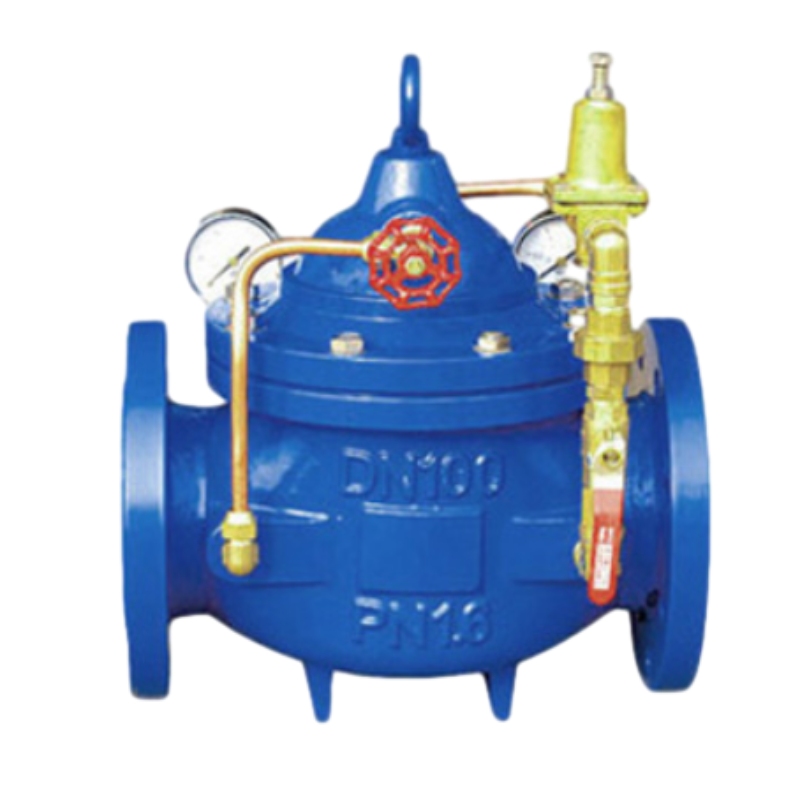
Various Categories of Gate Valves and Their Applications
Different Types of Gate Valves Gate valves are a type of valve that opens by lifting a gate out of t
Using Thread Ring Gauges for Accurate Measurement and Quality Control in Manufacturing Processes
The Importance of Thread Ring Gauges in Quality Assurance In the world of manufacturing and engineer
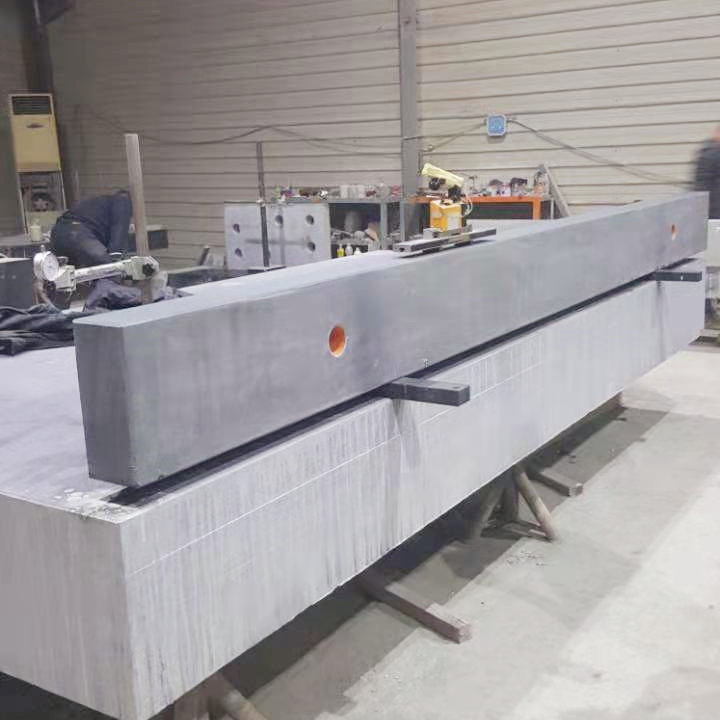
Versatile Clamps for Welding Tables Enhancing Stability and Precision in Metal Fabrication
The Importance of Welding Table Clamps in Metalworking Welding is an essential process in various in
 English